
Cambodia or Thailand?
The Unvarnished Choice: Why Cambodia Offers a More Liveable Future Than Thailand
For decades, Thailand has held the crown as Southeast Asia’s default destination for expatriates, retirees, and digital wanderers. Its beaches are iconic, its cuisine world-renowned, and its expat infrastructure deeply entrenched. Yet, for a growing cohort seeking not just a postcard backdrop but a sustainable, straightforward, and dignified life abroad, the gleam on the “Land of Smiles” has begun to tarnish under the weight of its own bureaucracy. An increasing number are looking west, to Cambodia, and discovering not just an alternative, but a superior model for modern expatriate living. The blunt truth is this: for those valuing autonomy, flexibility, and a sense of frontier opportunity, Cambodia is quietly—and decisively—outpacing Thailand as the region’s most appealing long-term base.
This isn’t about pitting Angkor Wat against the Phi Phi Islands; it’s a practical comparison of the frameworks that govern daily life. Thailand has increasingly become a nation of rules, forms, and financial thresholds. Its visa landscape is a labyrinth of categories—Non-Immigrant O, OA, OX, LTR—each with strict, often escalating requirements: mandatory health insurance policies from Thai companies, fixed income deposits in Thai banks (800,000 THB for retirement), and rigorous financial proof for annual extensions. The rules are not only complex but subject to abrupt, top-down changes that can upend lives with little notice, breeding perpetual uncertainty. The recent, aggressive push towards taxing worldwide income for tax residents has sent shockwaves through the community, turning accountants into essential lifelines and placing a cloud of financial surveillance over the expat experience. The system often feels designed to police and extract, rather than welcome and integrate.
Cambodia, by stark contrast, operates on a principle of pragmatic simplicity. Yes, it is a developing nation with its own challenges, but in the realm of long-stay residency, it offers something priceless: human-scale flexibility. There is no formal “Digital Nomad Visa,” yet the country is arguably more welcoming to remote workers than any in the region. Through the straightforward Ordinary (E-class) visa and its annual extensions—be it EB (Business), ER (Retirement), or EG (General)—Cambodia provides a legal pathway that trusts the individual. There are no publicly declared minimum income thresholds, no mandate to purchase local health insurance for the visa, and no intrusive lifestyle checks. Most critically, there is currently no ongoing threat of global income taxation enforcement for ordinary long-stay residents. For retirees, freelancers, entrepreneurs, and those with complex income streams, this isn’t just convenient; it’s liberating. The process is handled efficiently through local agents, focusing on solution rather than obstruction. In Thailand, you navigate a system; in Cambodia, you work with people.
Phnom Penh: The Unassuming Alpha City
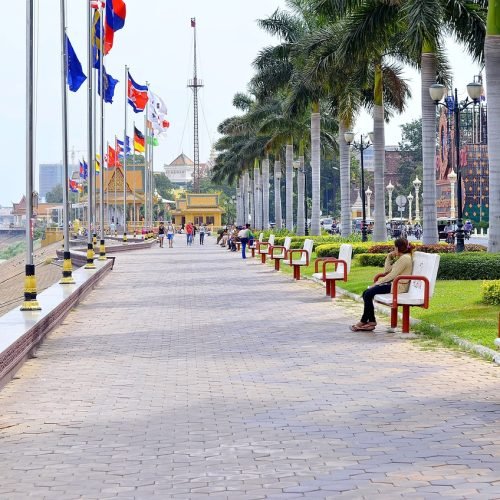
The heart of Cambodia’s appeal beats strongest in its capital, Phnom Penh. Often misunderstood as a mere transit point to Siem Reap, Phnom Penh is in reality a dynamic, gritty, and profoundly livable city that has evolved at a breathtaking pace. Its Unique Selling Points are its potent blend of opportunity and authenticity. This isn’t a sanitized expat bubble; it’s a front-row seat to a nation on the rise, yet it provides all the comforts necessary for a sophisticated, comfortable life.
Features & Benefits of a Phnom Penh Base:
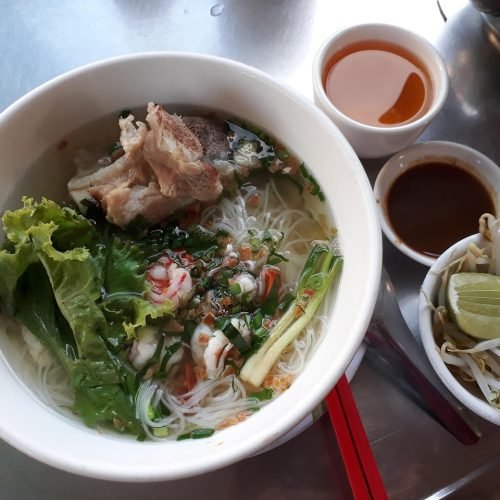
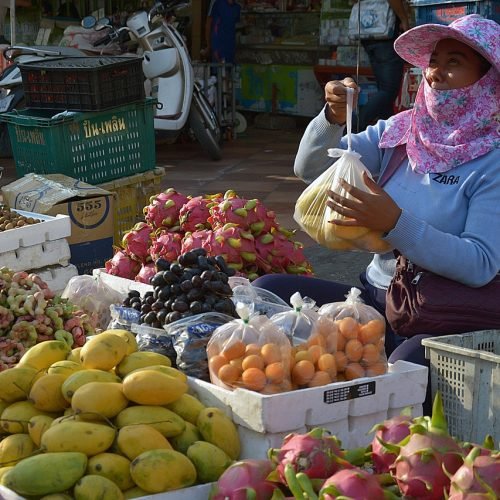
- Unmatched Cost & Quality of Living: The value proposition is staggering. For $800-$1,500 a month, you can secure a modern, spacious apartment in a central district like BKK1 or Tonle Bassac, complete with a pool, gym, and concierge—a standard that would cost triple in Bangkok. The dining scene is a microcosm of the city’s appeal: you can feast on incredible, safe street food for $1, enjoy a gourmet burger and craft beer for $10, or indulge in a world-class, dry-aged tomahawk steak at a place like Metro Rahu for a fraction of its Western price. This financial breathing room allows for a richer life, whether that means investing more in your business, traveling frequently, or simply enjoying daily luxuries without guilt.
- The New Global Gateway: Techo International Airport: This is a game-changer. The newly opened Techo International Airport (TIA) isn’t just an upgrade; it’s a strategic statement. Designed as a major regional hub, TIA’s world-class capacity and long-haul capabilities are already attracting new airlines and direct routes. Phnom Penh is rapidly shedding its status as a logistical backwater and positioning itself as a connected, convenient hub for global citizens. Increasing direct flights to Europe, Northeast Asia, and across ASEAN mean the world is literally at your doorstep, making Phnom Penh a more practical home base for frequent travelers than many congested, expensive hubs.
- A Genuine & Growing Gay Community: For LGBTQ+ expats, Phnom Penh offers a welcoming and unpretentious environment. While low-key compared to Bangkok’s mega-clubs, the city has a vibrant, authentic gay scene centered around friendly, established bars like Blue Chili, Space Hair, and The Toolbox Bar. The community is integrated, diverse, and free from the overwhelming commercialism found elsewhere. It’s a place where you can easily find your tribe, enjoy a sense of openness, and live without pretense.
- The Language of Ease: A profound practical advantage is the near-universal grasp of English among Cambodians in urban centers, particularly the younger generation and within the service and business sectors. From your barista and tuk-tuk driver to your landlord and bank manager, communication is remarkably easy. This stands in stark contrast to Thailand, where even basic transactions outside tourist zones can be a significant hurdle, creating a constant, low-grade friction in daily life.










Addressing the Skeptics: Scams, Safety, and Reality
No discussion of Cambodia is complete without addressing the elephant in the room: the notorious online scam centers. It is vital to distinguish between two parallel realities. The industrial-scale, criminal cyber-scam operations, often housed in grim compounds, are a severe human rights issue affecting primarily vulnerable migrant workers from across the region. However, this grim underworld operates in a separate sphere from the daily life of the legitimate expat community. As a foreign resident living in a central apartment, frequenting standard businesses, and going about your life, you are exceedingly unlikely to encounter or be targeted by these networks. They do not represent a personal safety threat akin to street crime. The common scams a tourist or expat might face—overpriced tuk-tuks, minor currency tricks—are the same petty annoyances found anywhere in the world, including Thailand. Practicing basic street smarts is enough. To suggest the scam center phenomenon impacts expat safety is to conflate two tragically separate issues.
In conclusion, the choice between Thailand and Cambodia is no longer about which country has prettier beaches. It’s a fundamental choice about what kind of life you want to lead as an expat. Thailand offers a polished, predictable, but increasingly regulated and costly package. Cambodia offers freedom. It offers the flexibility to design your life on your terms, the financial space to thrive, the authentic buzz of a society defining its future, and the profound human dignity of being trusted to manage your own affairs. It is less obsessed with rules and more focused on results; less about income policing and more about community potential. For those tired of navigating systems and ready to build a life, Cambodia isn’t just easier—it’s the more compelling, and ultimately more rewarding, path forward. The future of expat life in Southeast Asia isn’t being refined in Bangkok; it’s being forged, openly and invitingly, in Phnom Penh.