
Cambodia Food Guide: Discover Khmer Cuisine, Traditional Dishes and Street Food in Phnom Penh
Cambodia is a country of remarkable culture, heritage and hospitality, and nowhere is that more powerfully expressed than in its food. Khmer cuisine reflects centuries of history, strong agricultural traditions, regional pride and an instinctive understanding of flavour, freshness and balance. For visitors to Phnom Penh and to Cambodia as a whole, food is not simply something to enjoy. It is one of the country’s most authentic cultural experiences.
From refined curries and fragrant soups to lively street food and family-style shared meals, Cambodian cuisine offers depth, warmth and originality. It deserves recognition not only from travellers, but also as a major pillar of national tourism identity. This guide explores the many dimensions of Cambodian food and why it continues to leave such a strong impression on those who experience it.
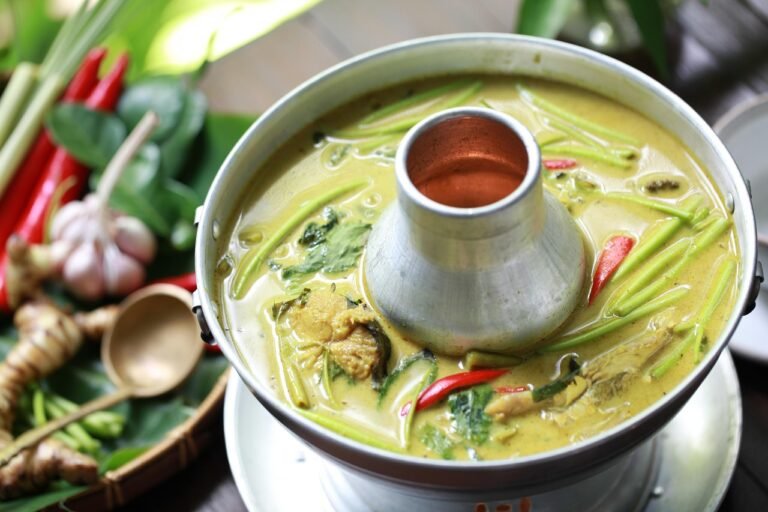
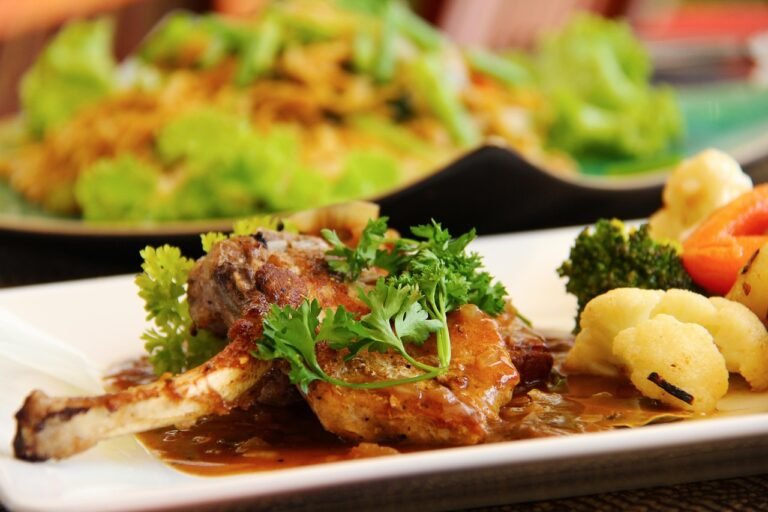
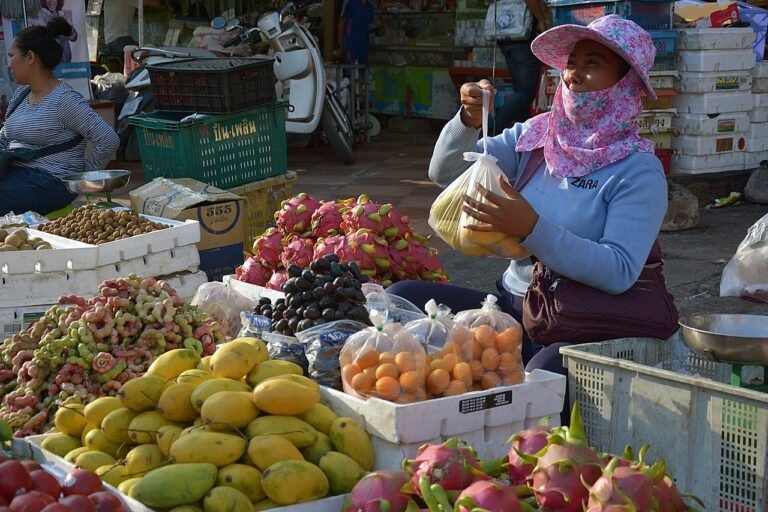
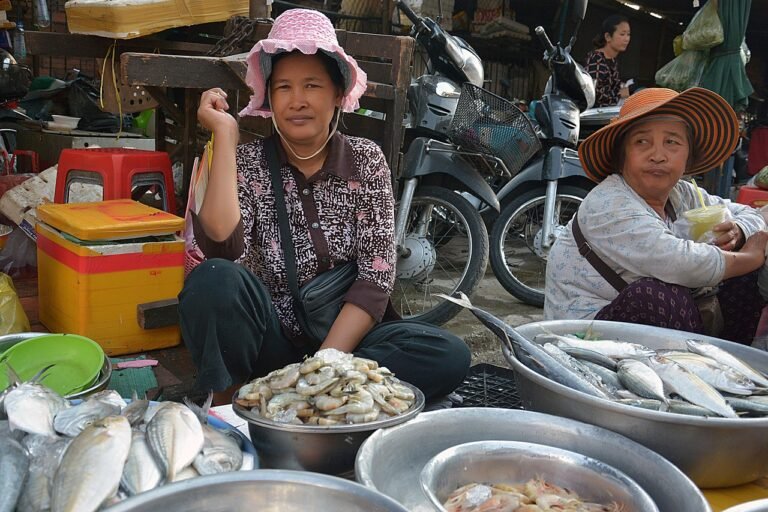


Cambodia foods
Cambodia foods are rooted in freshness, seasonality and harmony. Rice remains the foundation of daily life, while fish, meats, herbs, vegetables, fermented ingredients and aromatic spices create a cuisine that feels both nourishing and distinctive. The Cambodian table is often colourful, balanced and communal, reflecting the country’s wider culture of hospitality and sharing.
What makes Cambodian foods stand out is their subtlety. They do not rely on heaviness or excessive spice to create impact. Instead, they achieve flavour through layered preparation, quality ingredients and careful balance. This gives Cambodian food a quiet confidence that appeals to both local diners and international guests.
cambodia meals
Cambodia meals are often enjoyed as shared experiences. A meal may include rice, soup, grilled meat, vegetables, dipping sauces and a selection of complementary dishes placed in the centre of the table. This creates variety and encourages conversation, generosity and connection.
Daily meals in Cambodia are also wonderfully practical. Breakfast may include noodle soup or rice porridge, while lunch and dinner often combine simple ingredients in highly satisfying ways. Cambodia meals are not only about eating, but about rhythm, family and the pleasure of gathering together.
cambodian diet
The Cambodian diet has traditionally been based on fresh produce, rice, freshwater fish, herbs, vegetables and broths. It reflects the country’s natural resources and agricultural history, while also offering a healthy and balanced approach to eating. In many households, meals are prepared with an emphasis on freshness and moderation.
This traditional Cambodian diet also helps explain the character of Khmer cuisine. Food is often comforting but not overly rich, flavourful without being aggressive, and designed around ingredients that are readily available and culturally familiar. It is a practical and enduring culinary system that continues to shape modern Cambodian life.
cuisine of cambodia
The cuisine of Cambodia is one of Southeast Asia’s most underappreciated culinary traditions. It has its own identity, built on Khmer history, river and rice culture, and a sophisticated use of herbs, fermented elements and spice pastes. While it shares some regional influences, Cambodian cuisine is unmistakably its own.
The cuisine of Cambodia deserves international attention because it represents more than recipes. It is a cultural archive expressed through food. Every dish carries traces of geography, history and family tradition, making Cambodian cuisine a genuine national treasure.
food in khmer
Food in Khmer culture is closely linked to hospitality, family life and respect for tradition. Meals are prepared and served with care, and food often plays a central role in social interaction, celebrations and everyday routine. To understand food in Khmer culture is to understand something important about Cambodia itself.
For travellers, even learning a few Khmer food terms can deepen the experience. It creates a stronger connection to place and shows how food in Khmer life is not simply practical, but deeply cultural. Cuisine becomes a way of engaging with the country at a more meaningful level.
khmer dish
A Khmer dish is often elegant in its restraint. It may combine herbs, broth, coconut, fish, meat or vegetables in ways that feel simple on the surface yet reveal real technique and balance. Cambodian cooking often proves that sophistication does not need excess.
Each Khmer dish reflects a broader culinary philosophy based on freshness, proportion and harmony. Whether served in a local eatery or a more refined setting, Khmer dishes have the ability to feel both comforting and memorable, which is one of the reasons visitors respond so well to them.
khmer food in cambodia
Khmer food in Cambodia is best experienced in its natural environment, where ingredients are freshest and recipes remain closely tied to local tradition. From neighbourhood kitchens and market stalls to established restaurants in Phnom Penh, diners can discover authentic flavours that are difficult to replicate elsewhere.
Experiencing Khmer food in Cambodia also reveals the range of the cuisine. It can be humble, refined, quick, ceremonial, rustic or modern. That versatility strengthens Cambodia’s appeal as a serious culinary destination and adds richness to the visitor experience.
khmer street food
Khmer street food is one of the liveliest and most immediate ways to explore Cambodian cuisine. Found in markets, roadside stalls and busy city streets, it offers a direct view into the rhythm of everyday life. Freshly grilled meats, noodle dishes, savoury snacks, soups and fruit are all part of the experience.
Street food is especially important because it shows how Cambodian food culture lives beyond formal dining. It is accessible, authentic and full of personality. For many visitors, Khmer street food provides some of the most memorable moments of their time in Cambodia.
cambodia famous food
Cambodia famous food includes dishes that deserve far wider recognition. Fish amok is perhaps the best known, often celebrated as a symbol of Khmer culinary identity. Beef lok lak, kuy teav, samlor korkor and a wide range of grilled, stir-fried and curry-based dishes also help define the national food story.
These well-known dishes matter because they represent Cambodia at its best: fresh ingredients, thoughtful preparation and strong cultural roots. Cambodia famous food can play an important role in tourism by giving visitors a clear and memorable introduction to the country’s culinary excellence.
cambodia kitchen
The Cambodia kitchen is a place where tradition, instinct and local knowledge come together. Many Khmer recipes rely on experience rather than strict measurement, with cooks drawing on memory, smell, taste and touch to build the finished dish. This gives Cambodian food a human and deeply authentic quality.
A Cambodian kitchen also reflects resourcefulness and respect for ingredients. Herbs, pastes, broths and fresh produce are used with care, while many dishes are designed to deliver flavour without unnecessary waste. The Cambodia kitchen is therefore not only functional, but cultural in the fullest sense
cambodia national dish
When discussing the Cambodia national dish, fish amok is most often mentioned. This celebrated dish combines fish, coconut milk and fragrant kroeung paste to create something delicate, aromatic and distinctly Khmer. It is widely admired by locals and visitors alike.
As a candidate for the Cambodia national dish, fish amok represents more than popularity. It reflects the elegance, balance and identity of Cambodian cooking. It is a dish that communicates national pride through flavour.
.
cambodia traditional food
Cambodia traditional food is built on recipes and methods passed from generation to generation. It reflects village life, river culture, farming traditions and the national preference for fresh, balanced and carefully prepared meals. These foods are central to family life and social continuity.
For tourism and cultural identity, Cambodia traditional food is especially valuable because it offers authenticity. It connects modern visitors with the country’s long-established traditions and provides a meaningful taste of Cambodian heritage.
common cambodian food
Common Cambodian food includes the dishes people eat regularly at home, in markets and in everyday restaurants. Rice, soups, stir-fries, grilled fish, meats, pickled vegetables and broths form the backbone of daily eating. These meals are satisfying, practical and full of character.
For visitors, common Cambodian food can often be more revealing than special-occasion dishes. It shows what people truly eat and enjoy in everyday life. That authenticity is part of the country’s charm and one of the reasons Cambodian cuisine feels so genuine.
famous cambodian dishes
Famous Cambodian dishes include fish amok, beef lok lak, kuy teav, num pang, banh chhev and traditional soups such as samlor machu and samlor korkor. These dishes showcase the variety within Khmer cuisine, from rich and aromatic preparations to lighter and more refreshing combinations.
Together, these famous Cambodian dishes help build a strong culinary identity for the country. They offer visitors recognisable points of entry into Khmer food while also demonstrating range, tradition and quality.
famous food of cambodia
The famous food of Cambodia is becoming increasingly appreciated by international travellers, chefs and food writers. As awareness grows, more people are discovering that Cambodia offers a cuisine of originality, balance and real cultural depth.
This is important for the country’s wider tourism story. The famous food of Cambodia is not just a side attraction. It is a meaningful asset that supports travel, hospitality, cultural exchange and national pride. Food has the power to shape memory, and Cambodia has much to offer.
food in phnom penh
Food in Phnom Penh is one of the capital’s great attractions. The city combines Khmer tradition with modern hospitality, giving visitors access to everything from authentic local street food to well-presented contemporary dining. Phnom Penh is vibrant, fast-growing and increasingly confident in its culinary identity.
For travellers, food in Phnom Penh offers both convenience and discovery. The city is one of the best places in Cambodia to explore traditional recipes, modern interpretations and the broader richness of national cuisine. It is a capital that speaks through food as much as through culture and architecture.
khmer cuisine
Khmer cuisine is distinguished by balance, freshness and refinement. It uses ingredients such as lemongrass, galangal, turmeric, kaffir lime, coconut, fish, rice and prahok to create dishes that are layered, distinctive and deeply rooted in place.
What makes Khmer cuisine special is its ability to be both accessible and sophisticated. It welcomes new diners easily while rewarding those who take time to explore it more deeply. This makes it one of Cambodia’s strongest cultural ambassadors.
khmer traditional food
Khmer traditional food connects present-day Cambodia with its culinary past. It reflects time-honoured methods, family recipes and ingredients that have sustained communities for generations. It is an essential part of the nation’s identity.
For visitors, Khmer traditional food offers something more meaningful than novelty. It offers continuity, memory and a genuine encounter with Cambodian culture. That depth gives the dining experience lasting value.
popular cambodian dishes
Popular Cambodian dishes are those that remain favourites across homes, restaurants and markets. They are reliable, flavourful and representative of what Cambodian cuisine does best. Their popularity comes from familiarity, trust and the pleasure they consistently provide.
These dishes are also important for tourism and hospitality businesses, as they help introduce visitors to Khmer food with confidence. Popular Cambodian dishes are approachable, satisfying and culturally significant, making them ideal for a strong culinary introduction.
.
popular khmer dishes
Popular Khmer dishes reflect the broad appeal of Cambodian cooking. They include comforting soups, rice dishes, curries, grilled meats and noodle preparations that suit a wide range of tastes. These are often the meals most recommended by locals and most remembered by travellers.
Because they are so widely enjoyed, popular Khmer dishes play an important role in shaping Cambodia’s food identity. They are practical ambassadors for the nation’s culinary heritage and should be celebrated as such.
popular khmer food
Popular Khmer food is woven into the everyday life of Cambodia. It appears in homes, food stalls, restaurants and celebrations, offering a reliable expression of national taste and tradition. Its appeal lies in its honesty, freshness and balance.
For visitors, popular Khmer food provides an ideal entry point into Cambodian cuisine. It is approachable, rooted in local culture and capable of turning a simple meal into a memorable travel experience.
typical cambodian food
Typical Cambodian food is built around rice, soup, herbs, vegetables, fish, meat and balanced seasoning. It is neither overly rich nor excessively spicy, but instead relies on freshness and harmony to create its effect. This makes it highly enjoyable for a wide range of diners.
To understand typical Cambodian food is to understand the wider values behind it: community, practicality, hospitality and pride in local ingredients. It is a cuisine that reflects the best qualities of Cambodia itself.
Why Cambodian Cuisine Matters
Cambodian cuisine is more than a collection of dishes. It is an expression of identity, resilience, craftsmanship and welcome. It offers one of the most direct and rewarding ways to understand the country, whether through street food, traditional family recipes or well-executed restaurant menus in Phnom Penh.
As Cambodia continues to strengthen its position as a leading destination in Southeast Asia, food should remain central to that story. Khmer cuisine has the authenticity, quality and cultural depth to leave a lasting impression on travellers from around the world.
Experience Cambodia Through Food at Hideaway Phnom Penh
At Hideaway Phnom Penh, we believe that hospitality is enriched by a deeper appreciation of Cambodia’s culture, flavour and sense of welcome. For visitors exploring the capital, understanding Khmer cuisine adds another dimension to the Phnom Penh experience and highlights the richness of the country’s tourism offering.
Whether you are discovering food in Phnom Penh for the first time or building a deeper appreciation of Cambodian culinary heritage, Cambodia’s cuisine offers warmth, identity and memorable character at every level.